
Reptiles
Snakes
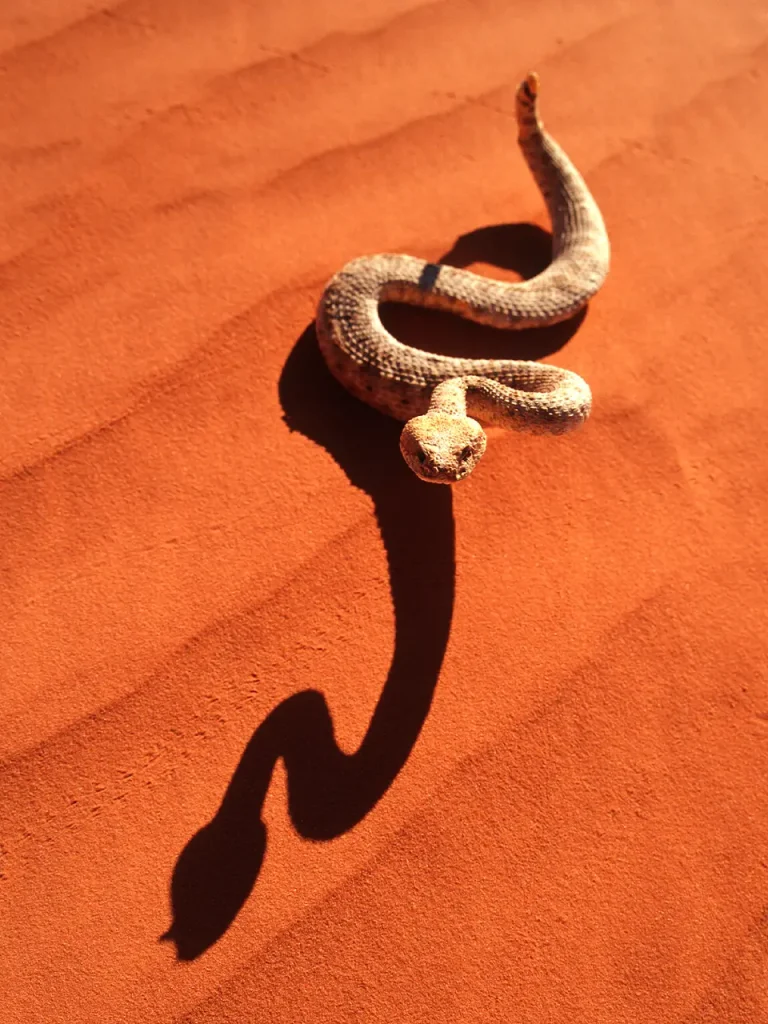
Snakes are a natural part of Arizona’s desert ecosystem, with several species posing potential risks to humans due to their venomous bites. Understanding the types of dangerous snakes, their behaviors, and implementing effective pest control strategies is crucial for residents and businesses in Phoenix. At OpKill Pest Control, we emphasize safe and humane management practices, aiming to mitigate encounters while respecting the ecological roles of these reptiles.
Species
Types of Snakes in Phoenix
Western Diamondback Rattlesnake
Appearance: Recognizable by its triangular-shaped head, diamond-shaped pattern along its back, and distinctive rattle on its tail.
Behavior: Often found in desert areas, rocky slopes, and near human habitation. They are defensive when threatened and can deliver venomous bites.
Mojave Rattlesnake
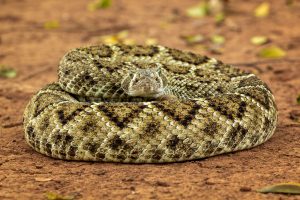
Appearance: Similar in appearance to the Western Diamondback but with lighter coloration and smaller head scales.
Behavior: Found in desert and grassland habitats. Their venom is particularly potent due to neurotoxins, making their bites potentially life-threatening.
Sonoran Coral Snake
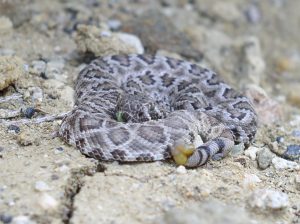
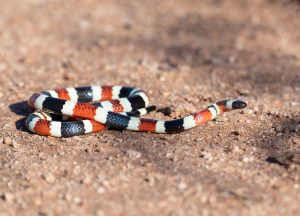
Appearance: Brightly colored with bands of red, yellow, and black. The red and yellow bands touch, distinguishing it from non-venomous mimics.
Behavior: Typically found in desert areas with loose sand and sparse vegetation. They have potent neurotoxic venom but are reclusive and rarely encountered.
Risks, Causes and Treatment
Risks
Causes
Treatment
Treatment
Prevention
Causes
Our approach
OpKill Pest Control
OpKill Pest Control understands the importance of safe and effective snake management in Phoenix, AZ. Our trained technicians prioritize humane treatment and ecological sensitivity in managing encounters with dangerous snakes.
Relocation: Whenever possible, we aim to safely capture and relocate snakes to suitable habitats away from human-occupied areas.
Emergency Response: Prompt response to snake sightings or encounters to ensure public safety and minimize risks.
Consultation and Education: Offering consultations to help residents understand snake behaviors and implement preventive measures.
Conclusion