
Stinging Insects
Wasps
Stinging insects and wasps are a common concern in Phoenix, Arizona, where their presence can pose risks to residents due to their venomous stings. Understanding the characteristics of different sting insects and wasps, their behaviors, and effective pest control strategies is crucial for managing infestations safely and effectively. At OpKill Pest Control, we specialize in providing comprehensive solutions to address stinging insect problems and ensure a pest-free environment for our clients.
Species
Common Sting Insects in Phoenix
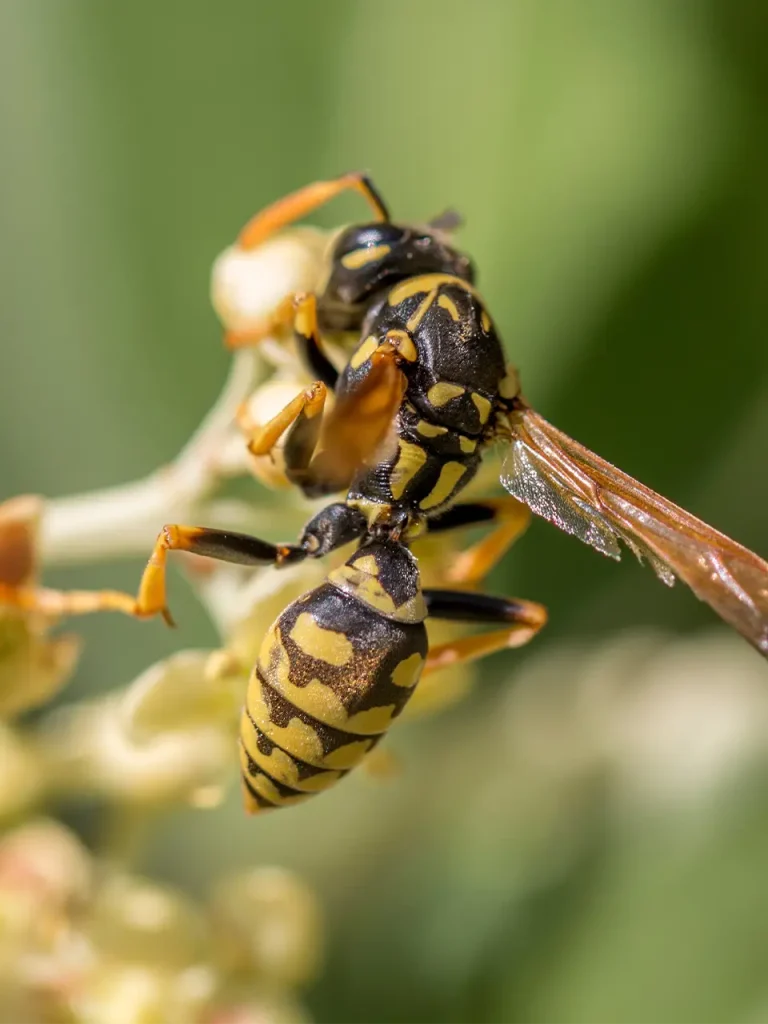
Paper Wasps
Appearance: Paper wasps have slender bodies with long legs and a distinctive narrow waist. They are typically brownish with yellow markings.
Behavior: Paper wasps build paper-like nests in sheltered areas such as eaves, attics, and shrubbery. They are defensive of their nests and can sting multiple times if threatened.
Yellowjackets
Appearance: Yellowjackets are small, typically black and yellow in color, and have a more robust body compared to paper wasps.
Behavior: Yellowjackets build nests in various locations including underground, in wall voids, and in attics. They are aggressive defenders of their nests and can deliver painful stings.
Hornets
Appearance: Hornets are larger than yellowjackets, often with black and white markings or brown and yellow patterns.
Behavior: Hornets build large paper nests in trees, shrubs, and sometimes in buildings. They can be aggressive if their nests are disturbed and deliver powerful stings.
Risks
Stinging insects and wasps can cause several issues for residents in Phoenix:
Stings: Their stings can cause pain, swelling, allergic reactions, and in some cases, severe health risks such as anaphylaxis.
Property Damage: Nest-building activities can damage structures, particularly if nests are located in wall voids or attic spaces.
Public Safety: Presence of stinging insects in outdoor areas can pose risks to public safety, especially in densely populated areas.
Causes, Treatment and Prevention
Causes
Treatment
Prevention
Urban and suburban environments provide numerous nesting opportunities, including trees, buildings, and vegetation.
Stinging insects are attracted to food residues, sugary substances, and other sources of nutrition found in outdoor environments.
Phoenix’s warm climate provides favorable conditions for stinging insects to thrive and reproduce.
Treatment
Professional removal of nests to eliminate existing colonies and prevent further infestations.
Application of insecticides around nesting sites and entry points to deter stinging insects from returning.
Use of traps and baits to capture and reduce stinging insect populations.
Sealing cracks, gaps, and openings in buildings to prevent stinging insects from entering.
Prevention
Conducting regular inspections of outdoor areas and buildings to detect nests and early signs of infestation.
Properly disposing of food waste and maintaining clean outdoor spaces to reduce attractants.
Educating residents about stinging insect behaviors and safety precautions to minimize encounters.
Causes
Our approach
OpKill Pest Control: Your Reliable Partner
OpKill Pest Control understands the risks associated with stinging insects in Phoenix, AZ. Our expert technicians are trained to deliver safe and effective stinging insect control solutions that prioritize customer safety and satisfaction. We utilize advanced techniques and eco-friendly products to ensure minimal environmental impact while achieving maximum efficacy.
By providing thorough inspections, targeted treatments, and preventive recommendations, OpKill Pest Control helps clients maintain a stinging insect-free environment. We are committed to delivering comprehensive pest management solutions tailored to the specific needs of residential and commercial properties.
Conclusion