
Birds
Pigeons
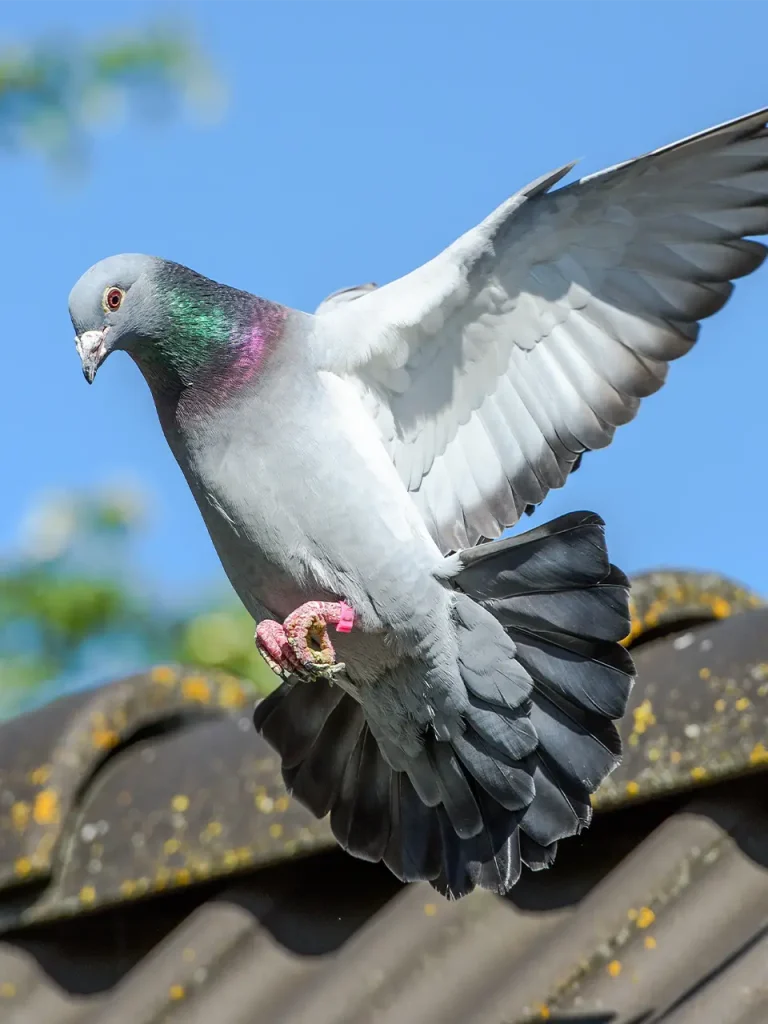
Pigeons are a common sight in Phoenix, Arizona, where they often become a nuisance around residential areas and pose challenges for businesses. Understanding the causes of pigeon issues, effective treatments, and prevention strategies is crucial for residents and businesses alike. At OpKill Pest Control, we specialize in providing tailored solutions to mitigate pigeon problems, ensuring a pest-free environment and peace of mind for our clients.
Problems
Issues and Challenges
Issues Around Residential Swimming Pools
Pigeons around residential swimming pools can create significant problems:
Contamination: Pigeons roosting near pools can contaminate the water with droppings, feathers, and debris, making it unhygienic for swimming.
Damage: Pigeon droppings can corrode pool equipment and surfaces over time, leading to costly repairs and maintenance.
Aesthetic Concerns: Accumulation of pigeon droppings and feathers around pools diminishes the aesthetic appeal of outdoor spaces.
Challenges for Businesses
Businesses in Phoenix also face specific challenges with pigeon infestations:
Health and Safety Regulations: Pigeon droppings can pose health risks to employees and customers, potentially leading to legal liabilities if not managed properly.
Property Damage: Pigeons can cause damage to building exteriors, signage, and HVAC systems, impacting the appearance and functionality of commercial properties.
Customer Experience: Pigeon-related issues can create a negative impression among customers, affecting business reputation and customer satisfaction
Causes, Treatment and Prevention
Causes
Treatment
Prevention
Pigeons are attracted to areas where food is readily available, such as garbage bins, outdoor dining areas, and improperly stored pet food.
Pigeons seek out elevated roosting sites like rooftops, ledges, and balconies, where they can nest and breed undisturbed.
Pigeons are drawn to sources of water, including swimming pools, birdbaths, and even puddles after rainfall.
The urban landscape of Phoenix provides ample structures and sheltered spaces for pigeons to inhabit and thrive.
Treatment
Installing physical deterrents such as bird spikes, netting, and electrified tracks on roosting sites to prevent pigeons from landing and nesting.
Using non-lethal repellents like visual deterrents (e.g., reflective devices, predator decoys), sound deterrents (e.g., ultrasonic devices, distress calls), and taste aversions.
Sealing off entry points and gaps in buildings where pigeons may enter to roost or nest.
Regular cleaning and sanitization of affected areas to remove droppings, feathers, and other debris that attract pigeons.
Employing humane trapping methods and safely removing pigeons from properties where infestations are severe.
Prevention
Properly storing and disposing of food waste and maintaining dry, clean outdoor areas to reduce food and water sources.
Conducting regular inspections and making structural repairs to eliminate potential roosting and nesting sites.
Educating residents and employees about the importance of cleanliness and proper waste management to deter pigeons.
Vacuum and clean regularly to eliminate crumbs, grease, and other food sources that attract cockroaches.
Schedule regular inspections with a pest control professional like OpKill Pest Control to detect and address cockroach issues early.
Causes
Our approach
OpKill Pest Control: Your Partner Against Pigeon Infestations
OpKill Pest Control understands the unique challenges posed by pigeons in Phoenix, AZ. Our dedicated team offers expert solutions designed to effectively manage and prevent pigeon infestations for both residential and commercial clients. We prioritize customer satisfaction and safety, utilizing advanced techniques and eco-friendly products to ensure lasting results.
By combining thorough inspections with targeted treatments, including humane removal and proactive prevention strategies, OpKill Pest Control helps clients maintain a clean, pest-free environment. Our integrated approach addresses the root causes of pigeon issues while minimizing environmental impact.
Conclusion